
In a world that’s more interconnected than ever, international relations play a crucial role in shaping global dynamics. Nations navigate a complex web of alliances, conflicts, and diplomacy, influencing everything from trade to security. Understanding these relationships is vital for grasping how countries interact and respond to emerging challenges.
As global issues like climate change, terrorism, and economic inequality become increasingly pressing, the study of international relations offers valuable insights. It reveals the motivations behind state actions and the impact of policies on both local and international scales. By examining the interplay of power, culture, and history, one can better appreciate the intricate tapestry of global affairs.
Overview of International Relations
International relations examines the interactions and relationships between countries. It plays a crucial role in understanding global dynamics, shaping policies that impact trade, security, and cooperation.
Definition and Importance
International relations encompasses the study of how states and non-state actors engage with one another. It addresses critical issues such as diplomacy, conflict resolution, and global governance. Understanding international relations is vital for navigating complexities like economic disparities, humanitarian crises, and environmental challenges. Scholars and policymakers use this knowledge to formulate strategies that enhance cooperation and promote global stability.
Key Theories in International Relations
- Realism: Focuses on power dynamics, emphasizing the pursuit of national interests and the role of military strength. Realists argue that states operate in an anarchic international system where survival is paramount.
- Liberalism: Stresses cooperation and interdependence among states. Liberals advocate for institutions, international laws, and economic ties that foster peace and collective security.
- Constructivism: Highlights the significance of social constructs, identities, and norms that shape state behavior. Constructivists examine how historical contexts and cultural factors influence international interactions.
- Marxism: Analyzes global relations through an economic lens, focusing on class struggles and the impact of capitalism on international politics. Marxists argue that economic inequality drives conflicts and imperialism.
- Feminism: Explores how gender dynamics affect international relations. Feminist theories examine the role of women in global politics and critique traditional power structures that marginalize female perspectives.
Understanding these theories equips scholars and practitioners with varied frameworks to analyze global affairs, addressing challenges from diverse angles to inform policy decisions.
Major Players in International Relations
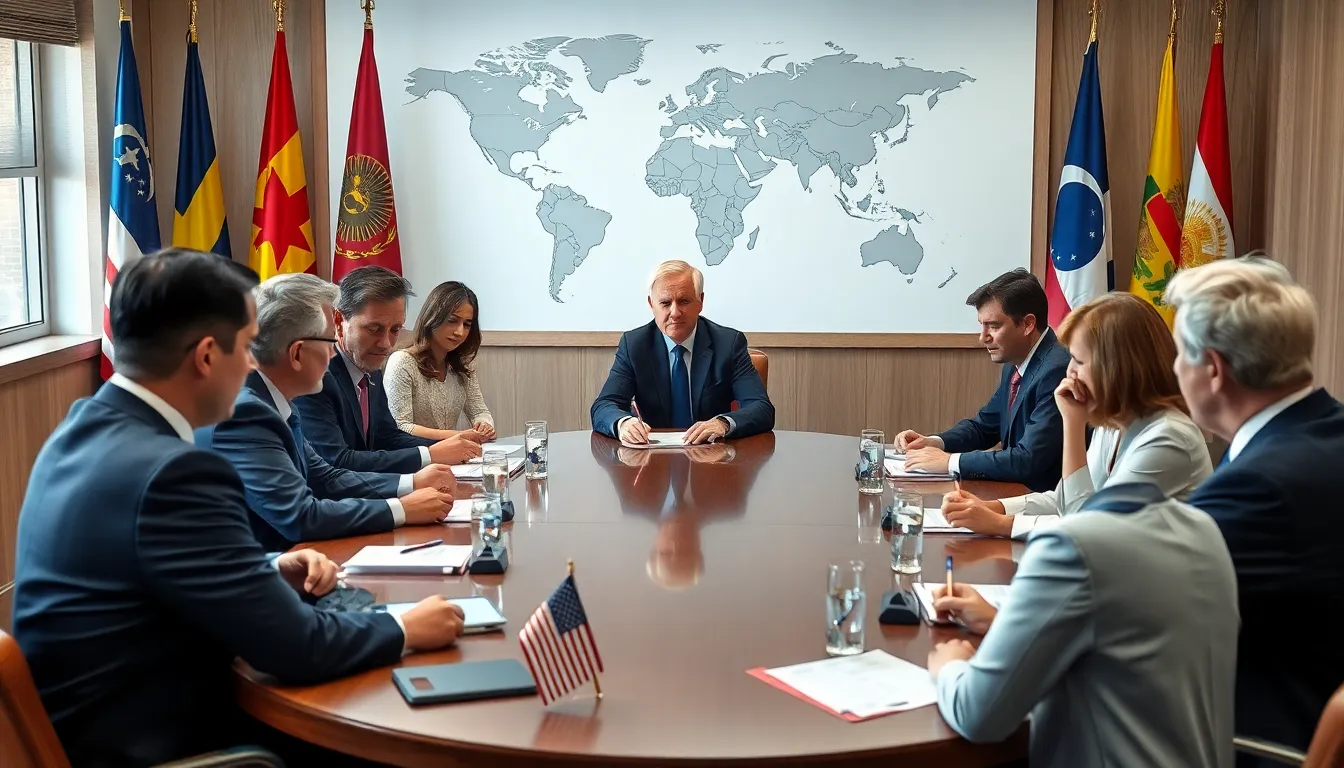
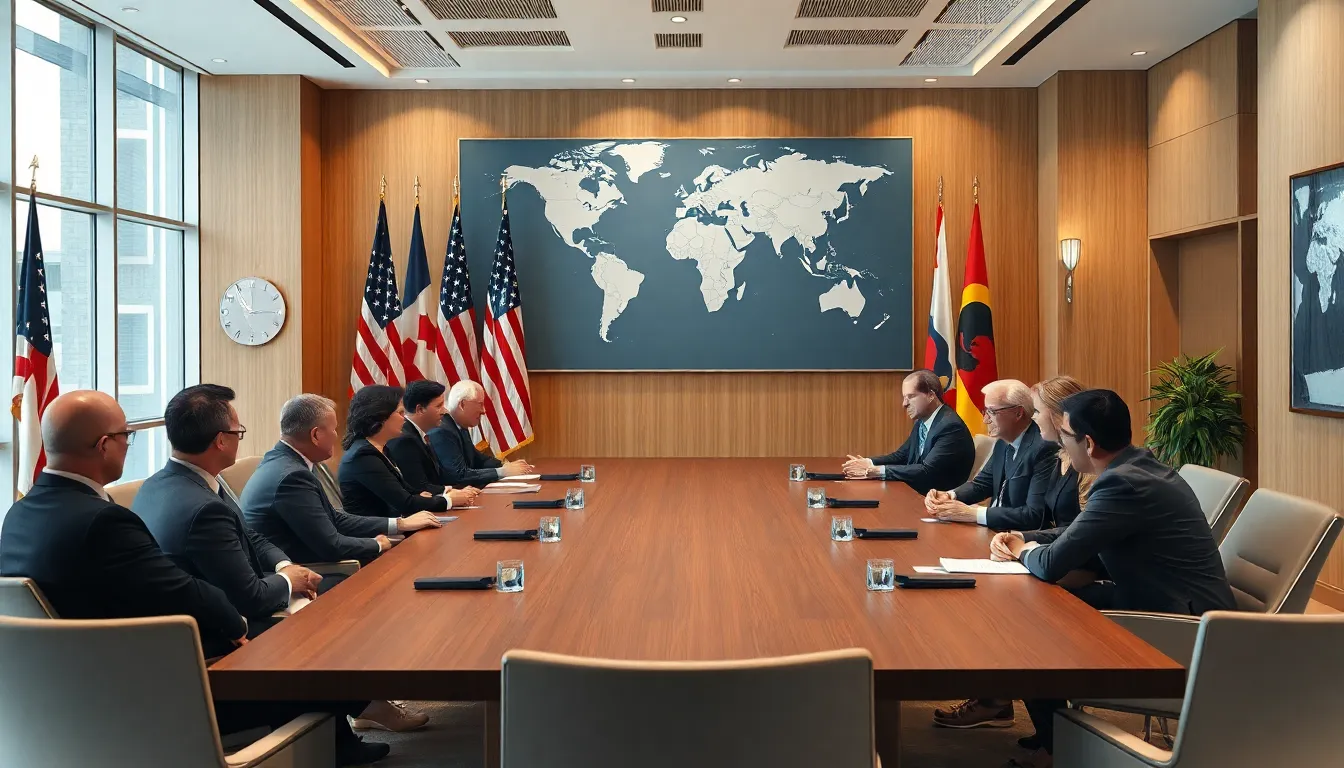
Key players in international relations include nation-states and international organizations. These entities shape global dynamics through diplomacy, conflict resolution, and cooperative efforts.
Nation-States
Nation-states serve as primary actors in international relations, characterized by defined territories and sovereign governments. Each nation-state pursues its national interests, which can include economic growth, security, and cultural preservation. For example, the United States often advocates for free trade agreements to enhance its economic position, while China emphasizes territorial integrity in the South China Sea. In their interactions, nation-states may form alliances through treaties, such as NATO, or engage in international forums to address global issues like climate change and human rights.
International Organizations
International organizations facilitate cooperation among states to address global challenges. These entities include the United Nations (UN), the World Trade Organization (WTO), and the North Atlantic Treaty Organization (NATO). The UN, for instance, aims to promote peace and security through diplomatic efforts and peacekeeping missions. The WTO focuses on regulating international trade, ensuring that trade flows as smoothly and predictably as possible. NATO provides collective defense for its member countries, underscoring security commitments. Through these organizations, member states collaborate on strategic initiatives that address geopolitical tensions, health crises, and humanitarian efforts, demonstrating the importance of multilateralism in international relations.
Critical Issues in International Relations
International relations faces numerous critical issues that significantly impact global stability and cooperation. Two essential areas of focus are global security and economic relations.
Global Security
Global security encompasses threats that transcend national borders, including terrorism, cyberattacks, and nuclear proliferation. States increasingly recognize the importance of multilateral security arrangements, as unilateral actions often lead to escalated tensions. For example, coordinated efforts within NATO aim to address collective defense against strategic threats. The proliferation of nuclear weapons remains a pressing concern, prompting international treaties such as the Treaty on the Non-Proliferation of Nuclear Weapons (NPT). Additionally, cybersecurity has emerged as a vital aspect of national security, necessitating collaboration between states to safeguard against cyber threats. International cooperation fosters a comprehensive approach to addressing these security issues.
Economic Relations
Economic relations form the backbone of international interactions, influencing trade policies, investment flows, and development strategies. Trade agreements, such as the North American Free Trade Agreement (NAFTA) and the Trans-Pacific Partnership (TPP), exemplify how countries aim to enhance economic cooperation and boost growth through reduced tariffs and increased market access. Economic inequality, both within and between nations, can exacerbate tensions, leading to conflicts over resources and opportunities. The role of international organizations, such as the World Bank and the International Monetary Fund (IMF), is critical in addressing these disparities by providing financial assistance and promoting sustainable development initiatives. Furthermore, nations increasingly prioritize economic diplomacy to forge stronger ties and create stable economic environments, recognizing that economic stability contributes to global peace and security.
The Future of International Relations
The landscape of international relations is evolving rapidly, influenced by various factors including technology, politics, and societal change. Understanding emerging trends and challenges is essential for navigating future global dynamics.
Emerging Trends
- Digital Diplomacy: Nations increasingly use social media and digital platforms to engage in diplomacy, facilitating real-time communication and public engagement.
- Regionalism: More countries are prioritizing regional alliances, such as the African Union and ASEAN, over traditional global coalitions, enhancing localized decision-making.
- Climate Action: Global responses to climate change are fostering international agreements like the Paris Agreement, showcasing the shift toward global cooperation on environmental issues.
- Multilateral Cooperation: Strengthened collaboration through international organizations reflects a response to complex global crises, emphasizing the importance of working together.
- Geopolitical Shifts: The rise of emerging powers, such as India and Brazil, is reshaping traditional power structures and creating new dynamics in global governance.
Challenges Ahead
- Geopolitical Tensions: Increasing rivalries, notably between the U.S. and China, present risks to global stability, complicating diplomatic relations and economic partnerships.
- Nationalism: A resurgence of nationalism in various countries may undermine multilateral efforts, posing challenges to international cooperation.
- Cybersecurity Threats: Rising cyberattacks challenge national security, prompting countries to invest in defense strategies while managing international norms regarding cyber behavior.
- Economic Inequality: Persistent economic disparities threaten global development, necessitating cooperative frameworks to address wealth imbalances and inclusive growth.
- Public Health Crises: The aftermath of COVID-19 highlights the need for robust international health regulations to effectively manage global health threats and reinforce cooperation among nations.
International relations serves as a vital framework for understanding the complexities of today’s global landscape. As nations grapple with pressing challenges like climate change and security threats, the importance of collaboration and dialogue becomes increasingly clear. The diverse theories and perspectives within this field provide valuable insights for policymakers and scholars alike.
Navigating the intricacies of alliances and conflicts requires a nuanced approach that considers historical, cultural, and economic factors. The evolving dynamics shaped by technology and societal changes further emphasize the need for adaptive strategies. By fostering cooperation through international organizations and multilateral efforts, countries can work towards a more stable and prosperous world.

